Deck Tracking Strategies for Shared Shoes in Multi-Position Adjustable Payout Blackjack
Written by Clara Friedrich · Aug 7, 2026
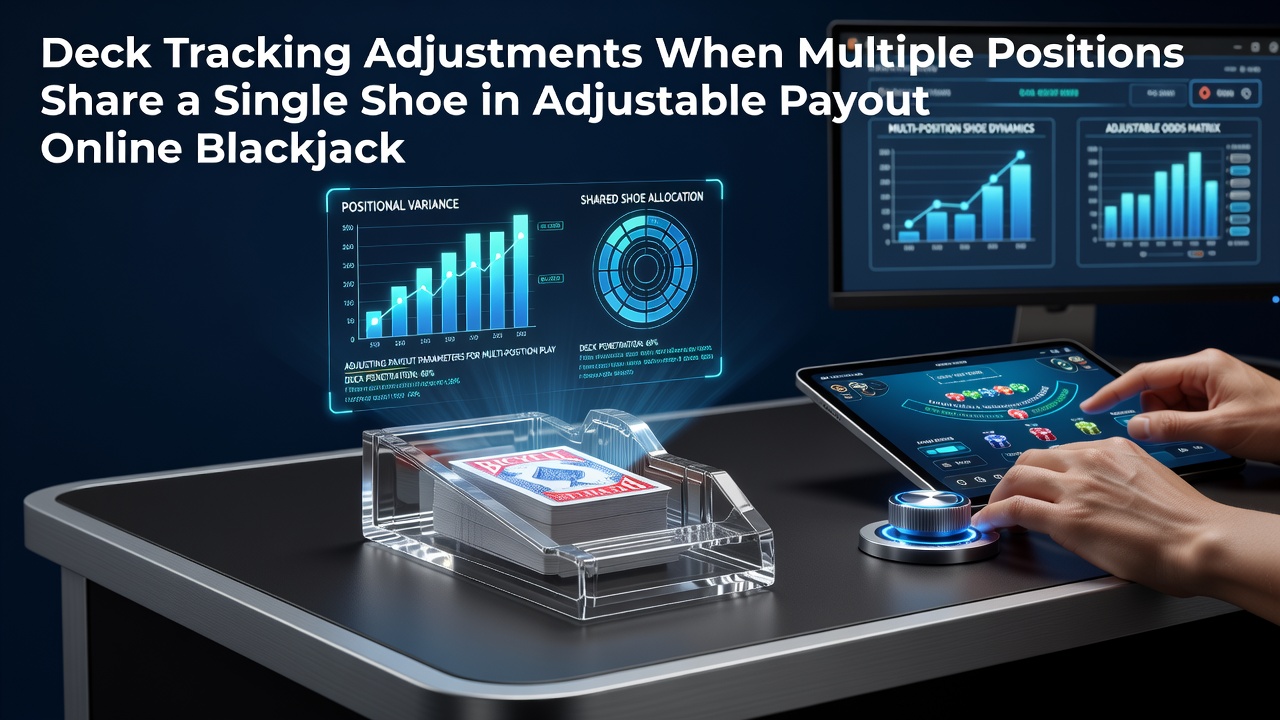
Deck Tracking Strategies for Shared Shoes in Multi-Position Adjustable Payout Blackjack
Multiple positions drawing from a single shoe create distinct challenges for deck tracking in online blackjack environments that feature adjustable payout ratios. Observers note that players at several seats consume cards at an accelerated rate compared to single-position setups, which alters the remaining deck composition more rapidly and requires updated monitoring techniques. Research from industry reports indicates that these shared-shoe formats became more common after platform updates rolled out in early 2026, with further refinements documented through August 2026 as operators adjusted their systems to comply with evolving digital gaming standards.
Core Mechanics of Shared Shoe Consumption
One virtual shoe serves all active positions in these games, so each round depletes the deck by the number of hands in play rather than by a single draw sequence. Data shows that card flow rates increase proportionally with the count of simultaneous bets, which compresses the timeline for noticeable shifts in high-card and low-card densities. Experts have observed that adjustable payout mechanisms respond to these shifts by modifying returns on specific hands when certain deck thresholds are crossed, creating a dynamic where tracking must account for both composition changes and payout triggers at once.
Take one platform that implemented multi-position shared shoes in mid-2026. Players found that standard running counts lost accuracy faster because the collective draw pattern mixed card values across seats in ways single-hand models did not anticipate. Studies revealed that recalibrating the count by dividing observed changes across the number of active positions restored predictive value, though the adjustment factor required real-time updates based on current table occupancy.
Impact of Adjustable Payouts on Tracking Priorities
Adjustable payouts tie return percentages to remaining deck makeup, which means deck trackers must monitor not only card removal but also the payout tables that activate at different penetration points. Figures from regulatory filings indicate that operators in several jurisdictions began publishing payout adjustment schedules in August 2026 to increase transparency, allowing players to integrate those variables into their monitoring routines. This integration matters because a payout increase triggered by a high-card surplus can offset or amplify the expected value derived from a basic count.
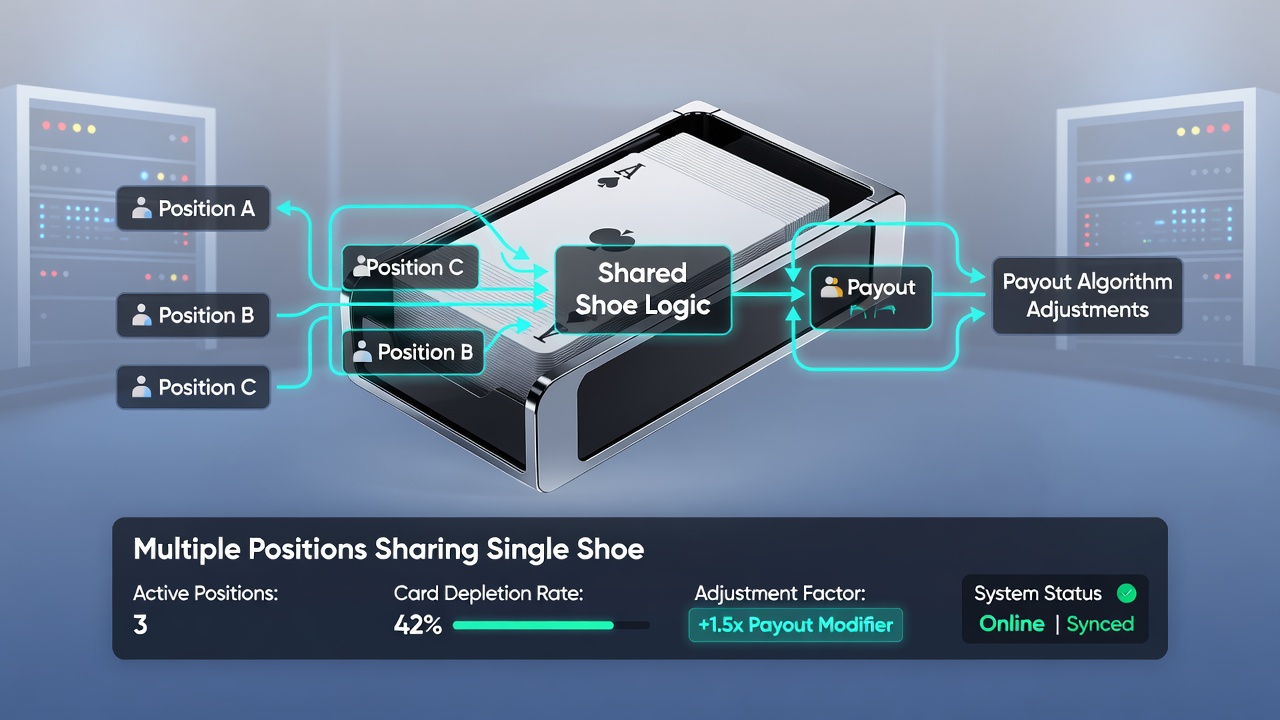
Researchers discovered that simultaneous multi-spot betting accelerates the approach to payout adjustment thresholds. A deck that would reach a bonus payout after 60 percent penetration in single-position play might trigger the same change after only 45 percent penetration when four positions share the shoe. Those who studied these patterns recommend maintaining separate tallies for composition and for payout eligibility, then cross-referencing the two before each betting decision.
Practical Adjustments for Multi-Position Scenarios
Effective tracking begins with establishing a baseline consumption rate equal to the average number of cards drawn per round across all positions. Observers note that this baseline shifts when players enter or leave seats, so continuous recalculation becomes necessary. Software tools supplied by some platforms display real-time shoe penetration and card distribution, yet manual verification remains common among serious trackers who prefer to confirm the displayed figures against their own records.
Case examples from digital gaming analyses show that dividing the running count by the current number of active positions produces a normalized count that better reflects the shared depletion effect. Additional modifiers apply when payout tables change, because those tables often weight certain card values differently than standard strategy charts. Industry organizations such as the Nevada Gaming Control Board have issued guidance documents that outline minimum disclosure requirements for these modifiers, helping standardize how operators present the data.
Monitoring Tools and Verification Methods
Digital platforms increasingly supply APIs that export shoe state information, which allows third-party tracking applications to incorporate position count and payout adjustments automatically. Academic papers on probabilistic modeling, including work published through Canadian research institutions, demonstrate that error rates in shared-shoe environments drop when trackers apply both a position-adjusted count and a payout-sensitivity filter. Verification involves comparing predicted versus actual card distributions at set intervals, typically every 10 percent of shoe penetration.
Additional checks include logging the exact cards removed from each position rather than aggregating totals, because position-specific removal sequences can reveal anomalies in shuffle algorithms or payout triggers. Data collected through August 2026 indicates that platforms using continuous shuffle modes alongside shared shoes require even tighter verification cycles to maintain count accuracy.
Conclusion
Deck tracking in shared-shoe, multi-position adjustable payout blackjack demands layered adjustments that account for accelerated card consumption, dynamic payout thresholds, and real-time position counts. Information released by regulatory bodies and research groups through August 2026 continues to clarify the parameters operators must meet, giving trackers clearer benchmarks for refining their methods. Those who integrate these factors into systematic monitoring routines maintain an accurate picture of remaining deck value despite the added complexity of multiple simultaneous draws.