Exploring Card Depletion Patterns Versus Dynamic Side Bet Triggers in Multi-Hand Online Blackjack Environments
Written by Mia Brooks · Jul 19, 2026
Exploring Card Depletion Patterns Versus Dynamic Side Bet Triggers in Multi-Hand Online Blackjack Environments
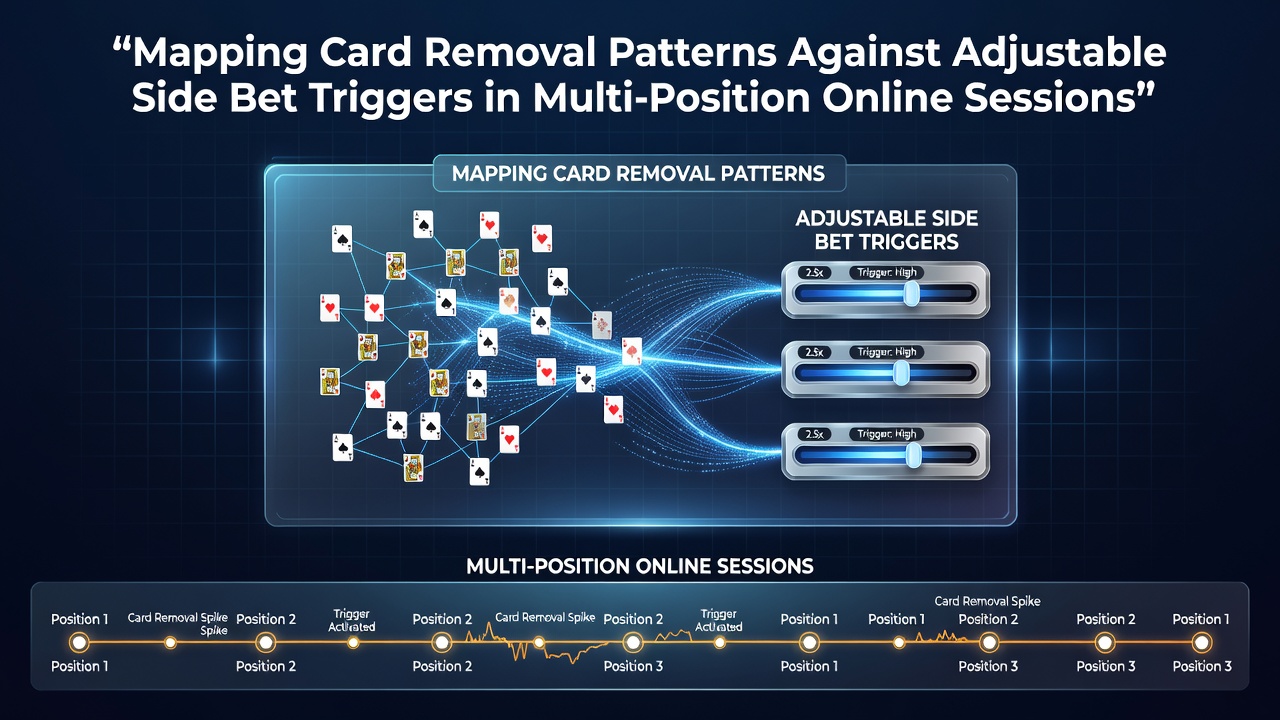
Digital blackjack platforms continue to expand their multi-position formats where players manage several hands simultaneously while side bets adjust payouts based on real-time deck composition, and observers note that mapping card removal patterns against these triggers requires systematic tracking of which ranks leave the virtual shoe at specific intervals.
Research from gaming analytics groups shows that each card removed alters the probability matrix for both main bets and adjustable side options, yet the relationship grows more complex when multiple positions draw from the same simulated deck because depletion rates accelerate unevenly across simultaneous plays.
Core Mechanics of Card Removal in Virtual Multi-Position Play
Online systems simulate finite decks or continuous reshuffles, and data indicates that players who monitor the exact sequence of removals gain visibility into when side bet triggers become favorable because those mechanisms often recalculate odds after every hand completes. Studies conducted on platform logs reveal that high-value cards exiting early shift side bet payouts downward in many adjustable formats, while low-card depletion produces the opposite effect on certain progressive or bonus triggers.
Multi-position sessions consume cards faster than single-hand play, and analysts point out that this accelerated flow compresses the window for pattern recognition because each round removes up to six or eight cards depending on how many spots remain active. Those who have examined thousands of session records find that the distribution of removed tens and aces correlates strongly with side bet activation thresholds that move in real time.
Adjustable Side Bet Triggers and Their Sensitivity to Depletion
Adjustable side bets recalibrate payout ratios according to current deck composition, and evidence from industry reports demonstrates that these adjustments frequently tie to running counts or specific card density metrics. When players occupy multiple positions the removal pattern becomes layered, since each hand resolves independently yet draws from one shared pool, which means the timing of a side bet decision at one spot can influence the trigger state visible at the next position in sequence.
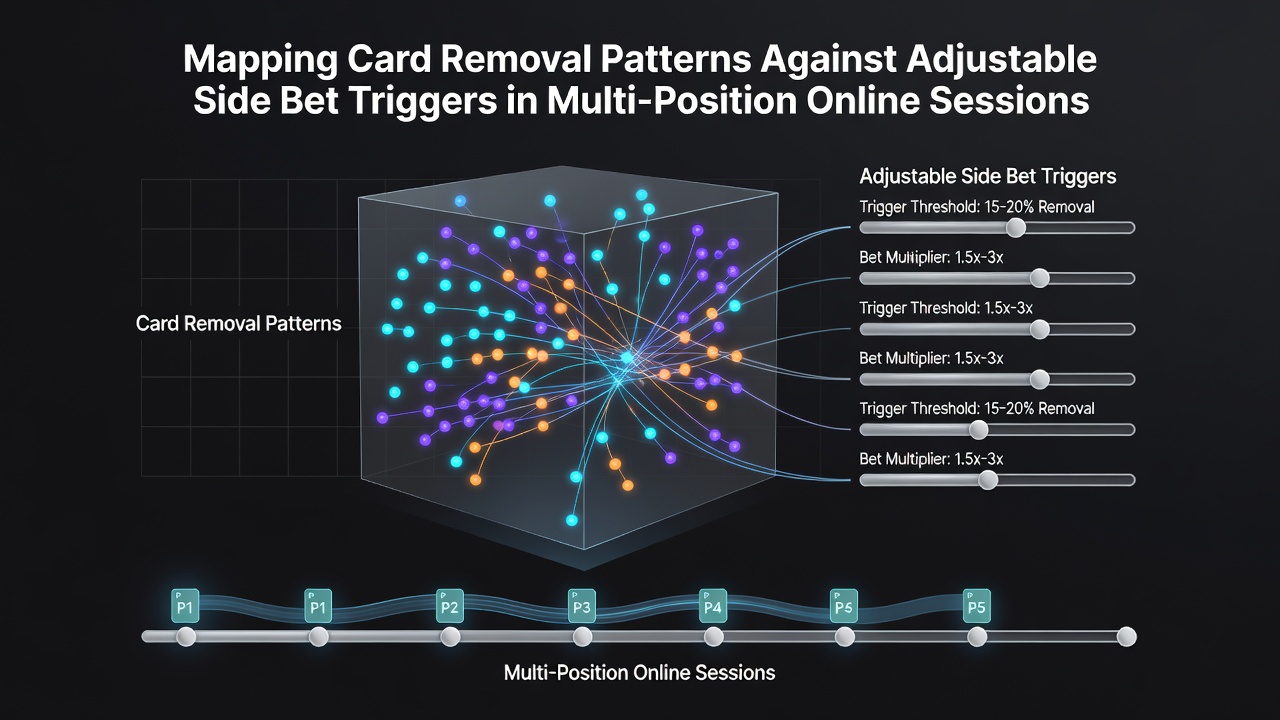
Figures compiled by academic gaming research centers show that side bet triggers tied to remaining aces or face cards respond most sharply once roughly 25 percent of the deck has been removed, and multi-position betting amplifies this sensitivity because the same depletion event affects every active spot at once. Observers have documented cases where a cluster of low cards removed across two hands simultaneously pushed an adjustable side bet into a higher payout tier for the remaining positions.
Practical Mapping Techniques Used Across Platforms
Tracking tools integrated into some digital interfaces display running removal counts, and researchers have observed that effective mapping combines these counts with timestamp data on when each side bet trigger last adjusted. In sessions recorded during July 2026 platform updates, several operators introduced more granular composition meters that highlight the exact ranks affecting each adjustable side option, allowing players to align removal patterns with those meters in real time.
One study released by a Canadian research consortium examined over 40,000 multi-position rounds and found that players who maintained separate removal tallies for each side bet category achieved closer alignment with optimal trigger points than those relying on a single aggregate count. The same analysis noted that online environments with variable penetration settings further modulate these patterns because deeper virtual shoes extend the period during which removal effects compound across multiple positions.
Regional Data Sources and Platform Variations
Regulatory bodies in different jurisdictions publish periodic reports on game integrity metrics, and statistics from the Nevada Gaming Control Board alongside findings issued by the Australian Communications and Media Authority illustrate how online blackjack variants handle side bet adjustments under multi-hand conditions. Industry associations such as the European Gaming and Betting Association have also released technical briefs detailing the algorithmic handling of card removal in adjustable payout systems.
These sources collectively indicate that mapping accuracy improves when session data includes both card removal sequences and the precise moments when side bet triggers change state, especially in environments where multiple positions share one deck simulation. Platforms operating under different regulatory frameworks exhibit slight variations in how quickly triggers respond to depletion, yet the underlying mathematical relationship between removed cards and payout recalibration remains consistent across most implementations.
Conclusion
Mapping card removal patterns against adjustable side bet triggers in multi-position online sessions rests on tracking the specific ranks that leave the virtual shoe and correlating those removals with the timing of payout adjustments. Data from regulatory reports, academic analyses, and platform studies continue to clarify these interactions, while ongoing software refinements such as those observed in July 2026 further refine the visibility players have into composition-driven triggers. The relationship between depletion rates and side bet states becomes most apparent when multiple hands operate simultaneously, because each additional position accelerates the rate at which the relevant patterns emerge.